Application engineering
Typed backends and modern front-end architectures, server-rendered interfaces, background processing and event-driven workflows.
Engineering practice · Established discipline
Horizon Bop designs, builds and maintains custom software, cloud platforms and data systems. We work close to the architecture, so the software we hand over can keep changing for years without being rewritten.

Horizon Bop is an IT company that works on the systems organisations depend on every day. Our attention goes to the parts of software that decide its long-term cost: the model of the domain, the boundaries between services, the way data moves, and the ease with which a change can be released safely.
We prefer small, senior teams working in direct contact with the people who own the outcome. That keeps decisions explicit, keeps feedback short, and removes the translation layers where requirements usually lose their meaning.
Every engagement is written down: what we are building, what we deliberately are not building, and which trade-offs were accepted along the way.
Typed backends and modern front-end architectures, server-rendered interfaces, background processing and event-driven workflows.
Managed services, containers, infrastructure as code, environment parity, autoscaling and cost-aware architecture.
Relational and analytical stores, streaming and batch pipelines, API design, message brokers and third-party system integration.
A full account of each service is kept on the services page at /services.

Understand the domain, the constraints and the definition of done.
Agree the shape of the system, its boundaries and its data model.
Build in short iterations, each ending in reviewable working software.
Automated tests, code review, performance checks and security review.
Observability, documentation, handover and continuing support.
The common thread is complexity: rules that matter, data that must reconcile, and software that has to keep running while it changes.

The design that fewer people can misunderstand wins.
An architecture note outlives the conversation that produced it.
Manual steps are where reliability quietly disappears.
Systems should report their own state before a user has to.
Design, tests, deployment and observability belong to the same change.
Removing unused code and services is engineering work, not cleanup.
| Layer | Work involved |
|---|---|
| Interface | Accessible, responsive front-end architecture, design system implementation, performance budgets. |
| Services | Domain modelling, service boundaries, background jobs, idempotent processing, versioned APIs. |
| Data | Schema design, migrations, pipelines, warehouse modelling, data quality checks and lineage. |
| Platform | Infrastructure as code, environments, container orchestration, release automation, rollback paths. |
| Operations | Logging, metrics, tracing, alerting, incident review and capacity planning. |
| Assurance | Automated test suites, contract tests, load testing, dependency and vulnerability review. |
Access is scoped to the smallest set of permissions a task needs, for people and services alike.
Credentials live in managed secret storage, never in source control or shared documents.
Third-party packages are pinned, reviewed and monitored for published vulnerabilities.
Input is validated and typed at the boundary, and errors are handled explicitly.
Automated coverage is aimed at the rules and paths where failure would be expensive.
Every change is read by another engineer before it reaches a production environment.
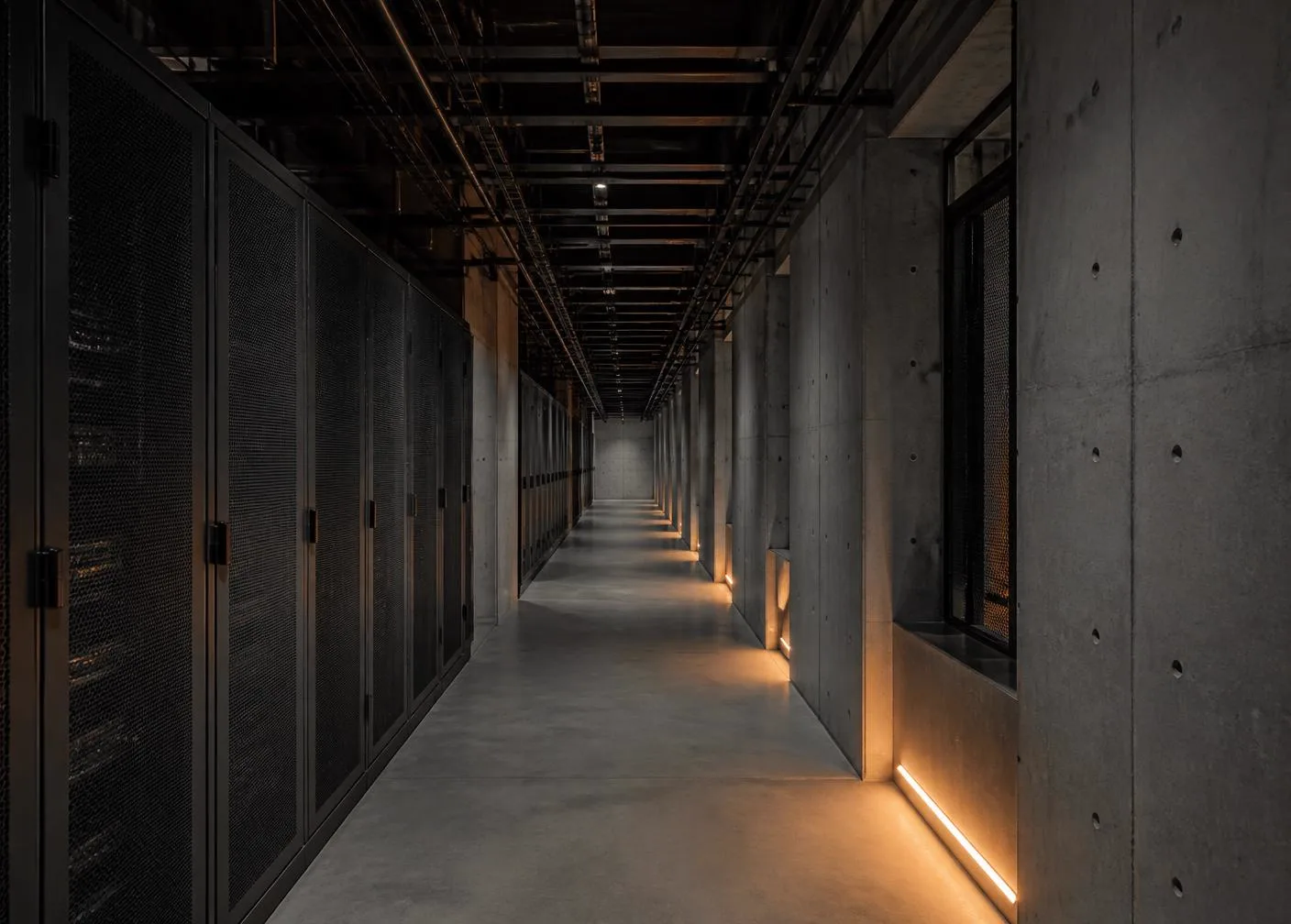
Engagements are shaped around the problem rather than a fixed contract template.
Whichever shape an engagement takes, communication stays written and traceable: decisions, risks and progress are recorded so any reader can reconstruct why the system looks the way it does.
Contact details are published as plain text. A short description of the system, the outcome you need and the constraints you are working within is enough to start a useful conversation.